

Cast vs Calendared Vinyl: What’s the Difference and Which Should You Use?
When selecting vinyl for printing, signage, or window graphics, one of the most important decisions is choosing between cast vinyl and calendared vinyl.
At first glance, they may look similar—but their performance, durability, and ideal applications are very different.
At Treck Hall, we regularly help print shops and installers across Canada choose the right material for their projects. This guide breaks down the key differences between cast and calendared vinyl, so you can make the right call for your application.
What is Cast Vinyl?
Cast vinyl is manufactured using a liquid casting process, where the material is poured into a mold and cured.
Key Characteristics:
- Very thin (typically ~2 mil or less)
- Highly flexible and conformable
- Minimal shrinkage over time
- Long-term durability
Best Uses for Cast Vinyl
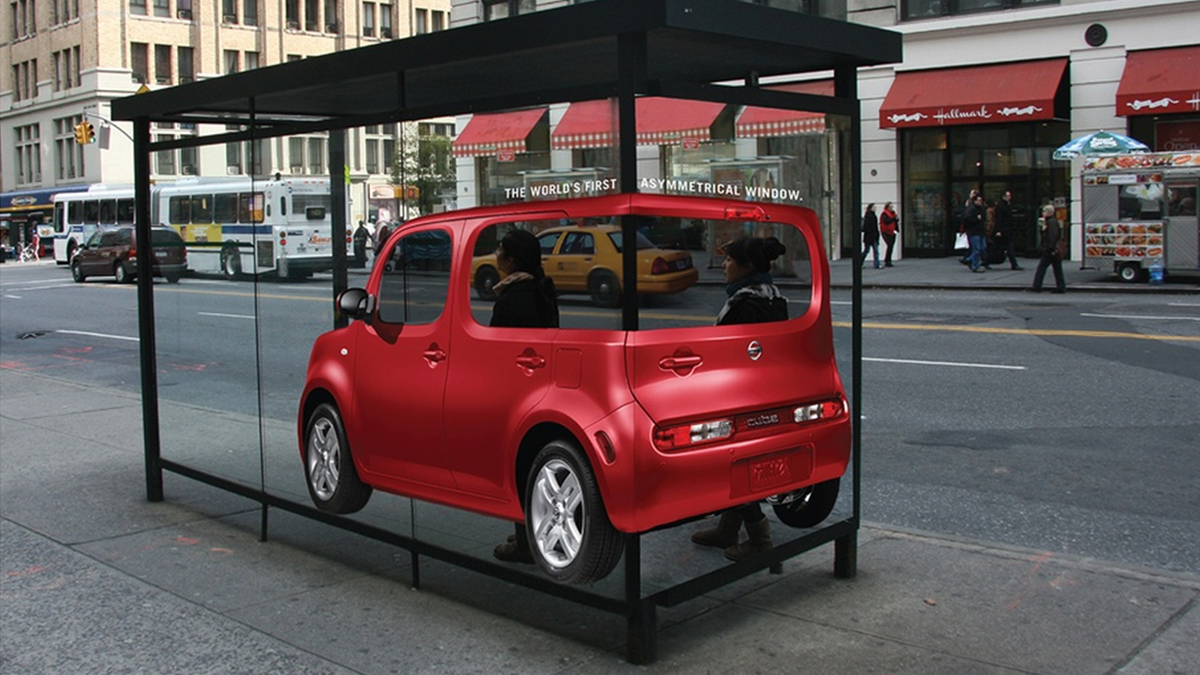
- Vehicle wraps
- Complex curves and contours
- Long-term outdoor signage
- Premium branding applications
What is Calendared Vinyl?
Calendared vinyl is produced by rolling and stretching the material through heated rollers, similar to dough being flattened.
Key Characteristics:
- Thicker (typically 3–4 mil)
- Less flexible
- More prone to shrinkage over time
- More cost-effective
Best Uses for Calendared Vinyl
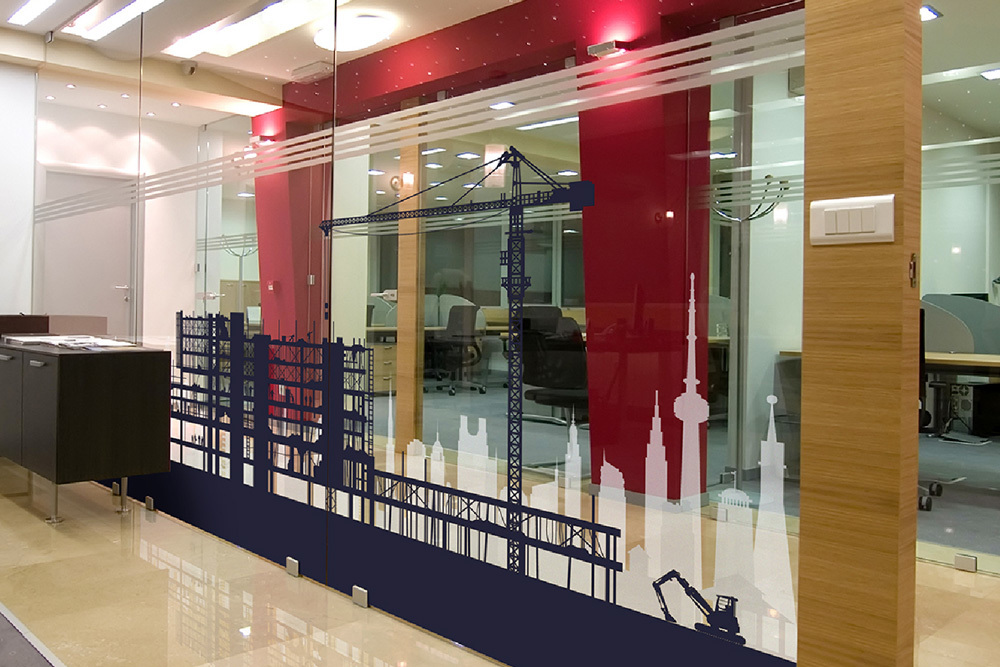
- Flat surfaces (windows, walls, panels)
- Short- to medium-term signage
- Promotional graphics
- General-purpose printing

Cast vs Calendared Vinyl: Key Differences
| Feature | Cast Vinyl | Calendared Vinyl |
|---|---|---|
| Thickness | Thin (~2 mil) | Thicker (3–4 mil) |
| Flexibility | Excellent (conforms to curves) | Limited (best on flat surfaces) |
| Durability | Long-term (5–10+ years) | Short–medium term (1–5 years) |
| Shrinkage | Minimal | More likely over time |
| Cost | Higher | Lower |
Which Vinyl Should You Choose?
Choose Cast Vinyl If:
- You’re wrapping vehicles or curved surfaces
- You need long-term durability
- You want premium performance and finish
Choose Calendared Vinyl If:
- You’re working on flat surfaces
- The project is short- to medium-term
- Budget is a key consideration
Real-World Example
A vehicle wrap requires vinyl that can stretch and conform without lifting—this is where cast vinyl excels.
On the other hand, a storefront window promotion or temporary signage is often best suited to calendared vinyl, where flexibility is less critical and cost efficiency matters.

Pro Tips from the Field
- Don’t use calendared vinyl on complex curves—it may lift over time
- Always match the vinyl type to the expected lifespan of the project
- Consider environmental exposure (sun, moisture, temperature)
- When in doubt, test a sample before full production
Common Mistakes to Avoid
- ❌ Choosing calendared vinyl for vehicle wraps
- ❌ Over-specifying cast vinyl for short-term jobs (wasted budget)
- ❌ Ignoring shrinkage on long-term installs
- ❌ Not matching laminate to vinyl type
What About Laminates? (Cast vs Calendared Compatibility)
In many applications, vinyl is paired with a laminate to improve durability, protection, and finish. Choosing the right laminate is just as important as selecting the right vinyl.
Key Rule: Match Like with Like
- Cast vinyl → Cast laminate
- Calendared vinyl → Calendared laminate
Why This Matters:
- Cast laminates are designed to move and conform with cast vinyl, especially on curves and vehicle wraps
- Calendared laminates are thicker and less flexible, making them better suited to flat surfaces
- Mixing types (e.g., cast vinyl + calendared laminate) can lead to lifting, reduced performance, or failure over time
When to Use Laminates
- Outdoor signage (UV protection)
- High-contact surfaces (scratch resistance)
- Vehicle graphics (critical for longevity)
- Floor or wall graphics (added durability)
Recommended Products
Cast Vinyl + Compatible Laminate (Treck Hall)
For high-performance applications, Treck Hall offers premium cast vinyl options designed for long-term durability and complex surfaces.
These materials are engineered for applications such as vehicle wraps, curved surfaces, and long-term outdoor graphics, where flexibility and dimensional stability are critical.
Complete Cast System (Recommended Pairing)
For optimal performance, cast vinyl should be paired with a compatible cast laminate.
At Treck Hall, this includes:
- Mactac GV729 or GV1029
- Paired with Rayzor 1.5 mil Cast Laminate
This combination ensures:
- Maximum conformability
- Long-term durability
- Resistance to shrinkage and lifting
Calendared Vinyl Examples (Treck Hall)
At Treck Hall, a wide range of calendared vinyl options are available for everyday printing and signage applications.
Popular examples include:
- Main Street Everyday 3.2mil Matte Vinyl
- Main Street Ultra Air Vinyl
- Main Street Super Stick Vinyl
- Mactac PrintVinyl Ultra-Removable
These materials offer excellent printability, strong adhesion, and cost-effective performance for flat surface applications such as window graphics, signage, and promotional displays.
To wrap up…
Understanding the difference between cast and calendared vinyl is essential for achieving the best results in printing and installation.
There’s no one-size-fits-all answer—only the right material for the job.
If you’re unsure which vinyl is best for your application, the Treck Hall team can help guide you to the right solution.
Need help selecting the right printable vinyl material, cast or calendared?
Contact the Treck Hall team for product recommendations and technical guidance.
Email: sales@treckhall.ca / Toll free: 888.315.8515
What is the main difference between cast and calendared vinyl?
Cast vinyl is thinner, more flexible, and more durable, while calendared vinyl is thicker, less flexible, and more cost-effective.
Is cast vinyl better than calendared vinyl?
Not always. Cast vinyl is better for long-term and complex applications, while calendared vinyl is ideal for flat surfaces and shorter-term projects.
Can calendared vinyl be used for vehicle wraps?
It is not recommended. Calendared vinyl does not conform well to curves and may shrink or lift over time.
Why is cast vinyl more expensive?
The manufacturing process is more complex, resulting in a thinner, more stable, and longer-lasting material.
How long does calendared vinyl last?
Typically between 1 to 5 years depending on exposure and conditions.